What Injured Cyclists Should Know About a Bicycle Accident Lawyer
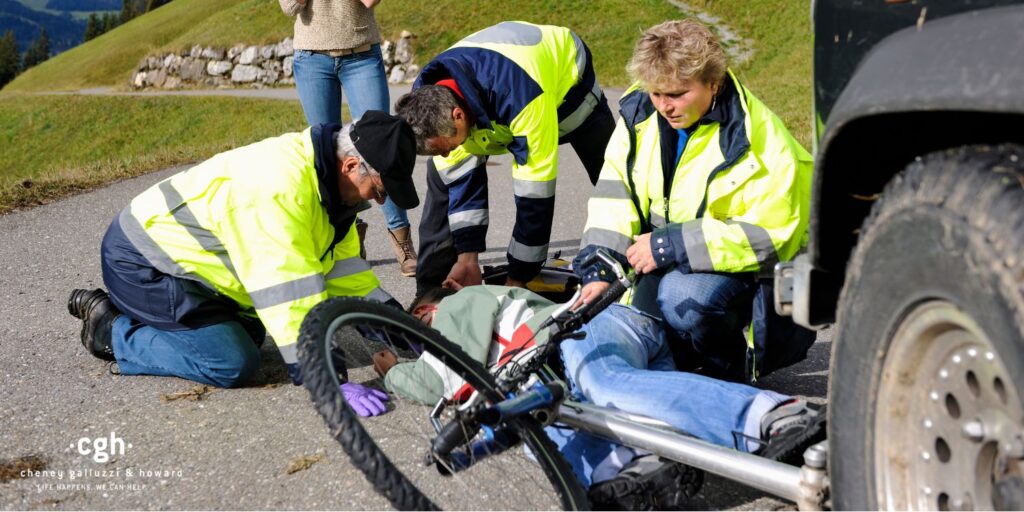
A bicycle crash can change the pace of your life in a few violent seconds. One moment you are riding to work, training for a weekend event, or taking your child to school. The next, you are on the pavement, your bike twisted, your body flooded with adrenaline, and a driver insisting they “never saw you.” For many injured cyclists, the legal side of the aftermath is almost as frustrating as the physical recovery. Medical bills start arriving quickly. Insurance adjusters call before you have a clear diagnosis. Lost wages pile up. Meanwhile, the facts of the collision may already be getting harder to prove with each passing day.
That is where a Bicycle Accident Lawyer can make a real difference. Not every crash requires a lawsuit, and not every injury claim needs to become a courtroom battle. But many bicycle cases involve details that are easy to miss if you treat them like ordinary fender-benders. Cyclists face unique vulnerabilities, different injury patterns, and too often, unfair assumptions about fault. A lawyer who understands these cases knows how to preserve evidence, deal with insurance tactics, and place a fair value on what the crash has actually cost you.
Why bicycle cases are different from ordinary car accident claims
People sometimes assume a traffic collision is a traffic collision, regardless of whether the injured person was inside a vehicle or riding a bike. On paper, there are similarities. There is usually a question of negligence, an insurance claim, and a need to document injuries and losses. In practice, bicycle cases tend to be more complicated.
The first reason is exposure. A person inside a car has a seat belt, airbags, a steel frame, and some margin for error. A cyclist has a helmet, if that, and direct contact with the road, the vehicle, or both. That often means more severe injuries from impacts at speeds that might seem moderate in another context. A driver making a right turn at 15 or 20 miles per hour can still cause a devastating crash if the cyclist is clipped, thrown, and lands headfirst or shoulder-first.
The second reason is visibility and perception. Drivers regularly https://damienvhqv743.cavandoragh.org/how-a-bicycle-accident-lawyer-handles-wrongful-death-cases claim they did not see the cyclist, but that statement does not end the matter. Sometimes it reflects inattention. Sometimes it points to a bad roadway design, parked cars blocking sight lines, poor lighting, or an unsafe lane configuration. A good lawyer looks beyond the initial excuse and asks what actually happened, who had the right of way, and what evidence can verify the sequence of events.
The third reason is bias. Cyclists are often blamed reflexively. There is a stubborn cultural assumption in some places that people on bikes are reckless, ignore rules, or “come out of nowhere.” That bias can affect police narratives, witness memory, and insurance evaluations. It matters because a small shift in how fault is framed can dramatically affect a settlement. An experienced Bicycle Accident Lawyer knows how to confront these assumptions with facts, scene evidence, and a careful reconstruction of the crash.
The first days after a crash matter more than most people realize
After a collision, most injured cyclists focus on two immediate priorities, medical care and basic survival. That is understandable. What often gets overlooked is that the quality of the legal claim is being shaped almost immediately.
Surveillance footage may be erased within days. Damage patterns on the bicycle can help explain the point of impact, but bikes are sometimes repaired too soon or discarded. Witnesses become harder to reach. Drivers may change their stories after speaking to insurers. Even road conditions can shift if a city quickly repaints markings, fills a pothole, or removes debris.
A lawyer who handles these cases early can send preservation letters, identify cameras, photograph the bike and gear, obtain the police report, and make sure your medical record clearly reflects the mechanism of injury. That last point is more important than many people think. If your records say only “fell off bike,” when in fact a driver turned across your lane, the insurance company may try to minimize the seriousness of the event or suggest it was a solo accident.
Early legal help also protects injured cyclists from saying too much, too soon. Insurance adjusters often call within days and sound sympathetic. They ask for a recorded statement “just to understand what happened.” Many people assume cooperation will speed things up. Sometimes it does the opposite. A casual remark like “I’m feeling a little better today” can later be used to argue that your injuries were minor. A lawyer can handle those communications and keep the claim from being shaped by incomplete information.
What a Bicycle Accident Lawyer actually does
A good bicycle injury attorney does far more than file paperwork. At their best, they become part investigator, part strategist, and part damage analyst.
They start by establishing liability. That may involve reviewing the crash report, photographing the scene, obtaining camera footage, interviewing witnesses, examining vehicle and bicycle damage, and consulting accident reconstruction experts when needed. In bicycle cases, liability often turns on moments that pass quickly, a left hook, a right hook, a dooring incident, an unsafe pass, a lane change, or a driver exiting a driveway without yielding. Those specifics matter. A broad statement that “the car hit the bike” is not enough.
They also document damages thoroughly. Cyclists often suffer injuries that look deceptively straightforward at first. A fractured clavicle may seem routine until it delays work for months and leaves lasting weakness. A concussion can become a prolonged struggle with headaches, light sensitivity, memory problems, or anxiety in traffic. A knee injury can derail not only transportation and fitness but also a person’s livelihood if their job requires standing, climbing, or carrying. A lawyer’s job is to connect those consequences to evidence, not guesswork.
Then there is the insurance analysis. In some cases, the at-fault driver has a clear liability policy with enough limits to cover the harm. In others, the driver may be underinsured, uninsured, or working for a company at the time of the crash. There may be additional coverage through the cyclist’s own auto policy, a household member’s policy, an umbrella policy, or a commercial insurer. These layers are easy to miss if no one is looking carefully.
When hiring a lawyer makes the most sense
Not every bicycle crash justifies full legal representation. If you suffered only minor scrapes, had no meaningful medical treatment, missed no work, and the insurer accepted fault immediately, you may not need a lawyer. But those cases are less common than people hope.
Legal help tends to matter most when injuries are significant, fault is disputed, or insurance coverage is limited or unclear. It also becomes especially valuable when your recovery is still unfolding. Many cyclists settle too early because they are worried about bills, only to learn later that they need surgery, extended therapy, or more time off work. Once a case is settled, reopening it is rarely an option.
There is also a practical reality here. Serious bicycle claims require time, persistence, and a tolerance for friction. The stronger the injury claim, the more likely the insurer is to scrutinize it. They may question your medical treatment, your earning losses, your pain levels, or whether your equipment choices contributed to the severity of injury. A seasoned Bicycle Accident Lawyer has seen those arguments before and knows how to answer them.
The kinds of evidence that often decide the case
Bicycle cases are won or lost on detail. A single photograph can reveal a bike lane ending abruptly before an intersection. A helmet scuff can support a head impact even when initial symptoms seemed mild. GPS data from a cycling computer may show speed and braking before impact. Text logs can reveal driver distraction. None of this is automatic. It has to be identified, preserved, and interpreted.
Some of the most valuable evidence in these cases includes:
- Scene photographs, including road markings, debris, sight lines, and vehicle position
- The bicycle, helmet, clothing, lights, and damaged gear
- Witness statements, especially from neutral bystanders
- Video from traffic cameras, doorbell systems, dashcams, or nearby businesses
- Medical records that clearly connect the collision to the injuries and recovery course
A strong lawyer will also consider less obvious evidence. Was the sun angle affecting visibility at that time of day? Was there a pattern of prior complaints about the intersection? Did the vehicle’s damage match the driver’s account? Did the police officer misunderstand the bike lane layout? Good advocacy often comes from asking one more question than anyone else did.
Common defenses insurers raise against injured cyclists
Insurance companies do not need to prove you were entirely at fault to reduce what they pay. In many states, they only need enough evidence to argue that you share some percentage of blame. That makes bicycle claims especially vulnerable to selective storytelling.
One common defense is that the cyclist was outside the lane or failed to signal. Sometimes that matters. Often it is exaggerated. A rider may have moved left to avoid a pothole, a sewer grate, broken glass, or a car door risk. That maneuver may have been both legal and prudent. Context matters more than a snapshot.
Another common defense is visibility. The insurer may argue the cyclist wore dark clothing, lacked lights, or was riding at dusk. Those facts can matter, but they do not excuse a driver’s failure to yield, look before turning, or leave sufficient passing distance. Visibility arguments are often used to blur the real issue, whether the driver operated safely under the conditions.
Helmet use is another flashpoint. In some cases, insurers imply that not wearing a helmet should reduce compensation. The legal effect of that argument varies by jurisdiction and by the specific injury involved. Even where it is raised, it does not erase the driver’s responsibility for causing the crash. A lawyer familiar with bicycle litigation will know when that issue matters and when it is mostly theater.
How damages are valued in a bicycle injury case
A fair settlement is not just a stack of medical bills with a little extra on top. That shortcut undersells serious injuries all the time. Bicycle cases often involve a broad set of losses, some immediate and some delayed.
Medical expenses usually form the starting point, but they are only part of the picture. Lost income can be substantial, especially for self-employed workers, tradespeople, healthcare workers, or anyone whose job depends on physical stamina. Future care may need to be considered if there is surgery ahead, lingering neurological symptoms, chronic pain, or reduced mobility. Property damage matters too. High-end bikes, custom wheelsets, power meters, helmets, shoes, and electronics can add up quickly, and replacement value is not always obvious to a general auto adjuster.
Then there are non-economic damages, the human consequences that do not come with neat invoices. Pain, sleep disruption, fear of riding, loss of independence, missed family activities, and the emotional aftershock of nearly being killed by a motor vehicle are all real. One cyclist may physically heal within months yet never feel comfortable commuting again. Another may return to the road but lose a racing season, a social outlet, or a source of mental health stability. These losses are personal, but they still need to be translated into a legal claim.
Experienced lawyers know that timing affects value too. Settling before the medical picture stabilizes often favors the insurer. Waiting too long without building the file can hurt as well. Good judgment lies in knowing when the evidence is mature enough to support a demand and when it still needs development.
Questions worth asking before you hire anyone
Not every personal injury lawyer understands bicycle cases. Some do excellent work in general motor vehicle claims but lack feel for cycling dynamics, roadway design, or the ways insurers try to shift blame onto riders. Before hiring counsel, it is worth asking a few direct questions.
- How many bicycle injury cases have you handled recently?
- Who will actually manage my file day to day?
- How do you approach disputed fault in cycling crashes?
- Do you prepare cases for litigation if the insurer lowballs the claim?
- What costs am I responsible for if the case does not recover money?
The answers matter, but so does the tone. You want a lawyer who listens closely, explains things plainly, and does not treat your case like an interchangeable intake form. Bicycle collisions are often intimate, disruptive events. The best representation combines technical competence with practical empathy.
Fees, costs, and the business side of representation
Most bicycle injury lawyers work on a contingency fee. That usually means they get paid a percentage of the recovery rather than charging hourly fees up front. The percentage can vary depending on the stage of the case, whether a lawsuit is filed, and local market practice. Case costs are separate. Those may include medical record fees, filing fees, investigator expenses, expert opinions, deposition transcripts, or accident reconstruction work.
This is one area where injured cyclists should ask blunt questions. A lower fee percentage is not always a better deal if the lawyer lacks the resources or appetite to push a difficult case. On the other hand, a firm with a polished pitch but thin communication can leave clients frustrated for months. The practical question is whether the lawyer has the experience, staffing, and discipline to move the claim forward effectively.
It is also fair to ask how the lawyer evaluates settlement decisions. Some firms are built to move volume and close files quickly. Others are more willing to hold out, litigate, and invest in stronger proof when the insurer undervalues the claim. Neither approach is always right. A straightforward liability case with modest injuries may not need a drawn-out battle. A disputed fault case with a traumatic brain injury probably does.
Special issues that often come up in cycling claims
Several recurring issues deserve separate mention because they catch injured cyclists off guard.
Hit-and-run crashes are one. If the driver fled, there may still be recovery options through uninsured motorist coverage, depending on the policy and state law. These claims can be surprisingly technical, especially when there was no direct vehicle contact or when the cyclist does not own a car but lives with someone who does.
Road defect cases are another. Sometimes the primary problem is not a driver but dangerous infrastructure, a hidden trench, broken pavement, poor drainage, or a hazardous design at an intersection. Claims against public entities are possible in some situations, but they usually involve shorter notice deadlines and stronger immunity defenses. Delay can be fatal to the claim.
Commercial vehicle cases can also be more complex. If the at-fault driver was making deliveries, driving for work, or operating a company vehicle, there may be larger insurance policies and more aggressive defense efforts. Electronic data, employment records, and fleet maintenance issues may become relevant.
Finally, there is the overlap between medical recovery and legal strategy. Cyclists are often motivated patients. They want to get back on the bike, return to work, and prove resilience. That mindset can help recovery, but it sometimes creates mixed signals in a claim. If you push through pain, skip treatment because you are busy, or return to activity too early, the insurer may argue you were not badly hurt. A good lawyer does not tell you how to heal, but they should explain how your medical record will later be read by people looking for reasons to pay less.
What injured cyclists should do while the claim is pending
The legal case does not unfold in isolation. Your day-to-day decisions matter. Follow medical advice as consistently as you can. If you cannot afford a treatment recommendation, tell your doctor and your lawyer rather than simply disappearing from care. Gaps in treatment are often used against claimants, though there are usually understandable reasons behind them.
Be careful with social media. A single photo of you standing beside a bike at a charity event can be stripped of context and used to suggest you made a full recovery. Even harmless posts can be misread. Privacy settings help, but they are not a guarantee.
Keep your damaged equipment. Do not repair or dispose of the bicycle, helmet, or clothing until your lawyer says it is safe to do so. The same applies to ride data, purchase receipts, and communication from insurers. Small records become important surprisingly often.
Most of all, be honest and precise. Do not minimize symptoms out of pride, and do not exaggerate them out of frustration. Credibility is one of the strongest assets in any injury case. Once it is damaged, it is hard to rebuild.
A final practical perspective
The point of hiring a Bicycle Accident Lawyer is not simply to “get more money,” though fair compensation matters. The larger purpose is to level a playing field that is rarely level for injured cyclists. Drivers have insurers. Insurers have adjusters, defense counsel, and a financial incentive to narrow every claim. Cyclists often begin the process in pain, out of work, and unsure whether the system sees them as legitimate road users at all.
The right lawyer helps restore order. They gather facts before they disappear. They frame the crash accurately. They calculate losses realistically. They filter noise from signal and keep pressure where it belongs, on the evidence and the law rather than on stereotypes about people who ride bikes.
If you have been seriously hurt, time matters. So does fit. Look for counsel who knows bicycle cases specifically, not just injury law generally. Ask careful questions. Expect clear answers. And remember that the strongest claims are built early, with patience, precision, and a firm grasp of what a cyclist actually faces after impact.
CGH Injury Lawyers
2701 Lawrence St Suite 201
Denver, CO 80205, United States
Phone: +1 720-669-8062
FAQ About Bicycle Accident Lawyer
Who is at fault if a car hits a bicycle?
Fault depends on the evidence and the traffic rules that applied to the collision. A driver, cyclist, or another party may share responsibility. Police reports, witness accounts, video, and the physical evidence can help establish what happened. A collision with a car does not automatically determine legal fault.
Can you sue someone for hitting you on a bike?
You may have a claim when another person's negligent conduct causes your injuries and losses. The available evidence, applicable deadlines, insurance coverage, and any shared fault affect your options. A lawyer can review the circumstances and explain whether an insurance claim or lawsuit is appropriate; compensation is not guaranteed.
What percentage does an injury lawyer usually take?
There is no single percentage that applies to every injury case. Many lawyers use a contingency fee based on a share of the recovery, with the terms stated in a written agreement. Ask how the percentage is calculated, whether it changes during litigation, and how case expenses are handled before signing.